Home » Emergency Dental Clinic Edmonton: When to Seek Urgent Dental Care
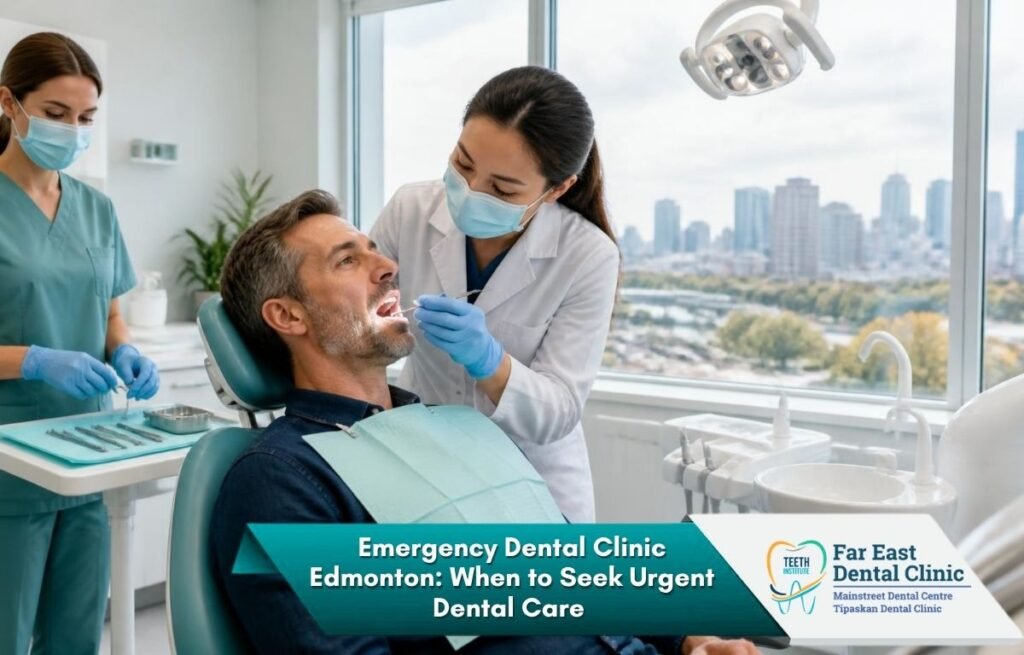
A dental emergency can happen without warning. A sudden toothache, broken tooth, dental injury, swelling, or infection can quickly interfere with eating, sleeping, working, and everyday activities. When urgent dental problems occur, knowing when to contact an emergency dental clinic in Edmonton can help you get the appropriate care without unnecessary delay.
Not every dental problem requires emergency treatment, but some symptoms should not be ignored. Prompt dental assessment can help identify the cause of pain or damage and determine the most appropriate treatment.
If you are searching for an emergency dental clinic in Edmonton, this guide explains common dental emergencies, when to seek urgent care, what you can do while waiting for an appointment, and how to choose the right emergency dental provider.
A dental emergency is generally a sudden dental problem that requires prompt professional assessment or treatment.
Some dental problems may be uncomfortable but can safely wait for a regular appointment. Others may involve significant pain, infection, bleeding, trauma, or damage that should be evaluated quickly.
Common dental emergencies can include:
If you are unsure whether your symptoms require urgent attention, contacting a dental professional can help you understand what to do next.
Knowing when to seek emergency dental care can be difficult, especially when symptoms develop suddenly.
You should consider contacting an emergency dental clinic in Edmonton when you experience severe pain, significant swelling, dental trauma, or other symptoms that may indicate an urgent dental problem.
A severe toothache that develops suddenly or continues to worsen should not be ignored.
Tooth pain can have different causes, including decay, infection, inflammation, a damaged tooth, or problems involving the surrounding tissues.
Pain medication may temporarily reduce discomfort, but it does not address the underlying cause.
A dental examination can help determine why the tooth hurts and whether urgent treatment is needed.
A knocked-out permanent tooth is a time-sensitive dental emergency.
This type of injury can occur during sports, accidents, falls, or other trauma. If a permanent tooth has been knocked out, seek professional dental care as soon as possible.
Handle the tooth carefully and avoid touching the root. If possible, keep the tooth moist and seek professional guidance immediately.
For more information, read our guide to knocked-out tooth emergency dental care in Edmonton.
A tooth can crack or break because of an injury, biting on something hard, decay, or normal wear.
Even if the pain is mild, a damaged tooth should be assessed because the damage may worsen if left untreated.
Depending on the condition of the tooth, treatment may involve restorative care designed to protect the tooth and restore its function.
You can also learn more about treatment options for damaged teeth in our guide to cracked and chipped teeth restorative care.
A dental abscess is an infection that can cause pain, swelling, tenderness, or other symptoms.
Swelling around the tooth, gums, jaw, or face should be taken seriously, particularly when accompanied by severe pain or other signs of infection.
An untreated dental infection can become more serious, so prompt professional assessment is important.
Far East Dental Centre provides information about dental abscess treatment in Edmonton for patients experiencing this type of dental concern.
An accident or injury can damage teeth, gums, or other structures in the mouth.
Dental trauma may include:
Even when an injury does not cause severe pain immediately, professional assessment can help determine whether there is hidden damage.
Patients may look for an emergency dental clinic Edmonton service because they are experiencing symptoms that cannot comfortably wait for a routine appointment.
Common reasons include:
Sudden or worsening tooth pain can interfere with sleeping, eating, and daily activities.
Extreme sensitivity that develops suddenly or is associated with pain may require dental evaluation.
For more information, read about tooth sensitivity treatment in Edmonton.
A filling, crown, bridge, or other restoration can become damaged or dislodged. Depending on the situation, prompt care may be needed to protect the affected tooth.
Signs such as pain, swelling, tenderness, or other symptoms associated with infection should be evaluated by a dental professional.
Sports activities can result in chipped, cracked, displaced, or knocked-out teeth. Wearing appropriate protective equipment can help reduce the risk of dental injuries.
If you are interested in prevention, read about sports dental emergencies in Edmonton.
When a dental emergency occurs, staying calm and taking appropriate steps can help protect your oral health while you arrange professional care.
If you have severe pain, dental trauma, swelling, or another urgent concern, contact an emergency dental provider as soon as possible.
Explain your symptoms clearly so the dental team can advise you about the next appropriate step.
If a tooth is damaged or painful, avoid putting unnecessary pressure on it.
Choose softer foods if you need to eat while waiting for professional assessment.
Gently rinse your mouth with water if appropriate. Avoid aggressive brushing or manipulating an injured area.
If a tooth has broken, keep any fragments you can safely recover and bring them to your dental appointment.
Do not attempt to repair or glue a damaged tooth yourself.
Some situations require medical emergency care rather than routine dental treatment.
If a dental injury is accompanied by severe facial trauma, difficulty breathing, uncontrolled bleeding, loss of consciousness, or another serious medical concern, seek emergency medical assistance immediately.
A toothache can range from mild discomfort to severe pain.
Not every toothache requires an emergency appointment, but severe, persistent, or worsening pain should be assessed rather than ignored.
A toothache may be associated with:
Temporary pain relief does not necessarily mean the dental problem has resolved.
If tooth pain is interfering with your daily life or becoming worse, contact a dental professional for an assessment.
Children can also experience dental emergencies.
Falls, sports injuries, accidents, and dental infections can result in urgent dental concerns. Parents may find it difficult to determine whether a child’s injury requires immediate dental attention.
Common children’s dental emergencies include:
Having an established family dental provider can make it easier to know where to turn when a child’s dental emergency occurs.
You can learn more about children’s urgent dental needs through Edmonton kids’ emergency dentistry.
Understanding the difference between emergency and routine dental care can help you choose the right type of appointment.
A regular dental appointment may be appropriate for:
An emergency appointment may be more appropriate for:
If you are uncertain, contacting the dental clinic and explaining your symptoms can help determine how quickly you should be seen.
The treatment required depends entirely on the cause and severity of the dental emergency.
After examining the affected area, your dentist may recommend treatment such as:
The first priority is to assess the problem and determine the most appropriate way to protect your oral health.
For emergency root canal concerns, you can explore emergency root canal therapy in Edmonton.
Delaying treatment for an urgent dental problem may allow the condition to become more complicated.
For example, a damaged tooth may become more difficult to restore if additional damage occurs. Similarly, an untreated infection may require more extensive care.
Prompt assessment can help your dentist understand the condition and recommend appropriate treatment.
This does not mean every dental emergency will require immediate extensive treatment. Sometimes the first appointment may focus on controlling pain, assessing damage, and creating a treatment plan.
When searching for an emergency dental clinic in Edmonton, consider several practical factors.
Check whether the clinic provides care for the type of dental emergency you are experiencing.
A conveniently located dental clinic can be particularly helpful when you are experiencing pain or dealing with an injury.
The dental team should be able to explain what you should do before your appointment and what treatment options may be available.
A clinic that provides general, restorative, and emergency care may be able to continue supporting your oral health after the immediate problem has been addressed.
Some emergencies require additional treatment after the initial appointment. Ask how follow-up care is handled.
For additional information about emergency dental care, read 5 questions to ask before choosing an emergency dentist in Edmonton.
Not every dental emergency can be prevented, but certain habits can reduce the risk of dental injuries and untreated dental problems.
Routine examinations can help identify dental concerns before they become urgent.
Brush regularly, clean between your teeth, and follow the oral hygiene recommendations provided by your dental team.
A properly fitted mouthguard can help protect your teeth during contact and high-impact sports.
Do not use your teeth to open packages, cut objects, or perform tasks they are not designed to handle.
A small crack, cavity, or damaged filling may become a bigger problem if ignored.
Regular dental care can help you address concerns before they develop into emergencies.
For more preventive advice, read these dental care tips for Edmonton patients.
Severe tooth pain, significant swelling, dental trauma, a knocked-out permanent tooth, serious tooth damage, and signs of infection can require urgent dental assessment.
A severe or worsening toothache should be evaluated by a dental professional. The cause may involve decay, infection, a damaged tooth, or another dental condition that requires treatment.
Seek professional dental care as quickly as possible. Handle the tooth carefully, avoid touching the root, keep it moist, and contact a dental professional for immediate guidance.
A cracked tooth should be assessed, particularly if it causes significant pain or sensitivity. The appropriate treatment depends on the location and severity of the damage.
Swelling around the mouth, jaw, or face can be associated with infection and should be professionally assessed. If swelling is accompanied by difficulty breathing or another serious medical symptom, seek emergency medical assistance immediately.
Yes. Children can experience dental injuries, severe toothaches, infections, and other urgent dental concerns. Parents should contact a dental professional when a child’s dental problem appears serious or sudden.
Follow the dental team’s instructions, avoid chewing on the affected side, keep the area reasonably clean, and avoid attempting to repair a damaged tooth yourself.
A dental emergency can be stressful, especially when pain or injury happens unexpectedly. Knowing what symptoms require attention and where to seek professional care can help you respond more confidently.
If you are experiencing severe tooth pain, dental trauma, swelling, a broken tooth, or another urgent dental concern, contact a dental professional for an assessment.
Far East Dental Clinic provides dental care for patients in Edmonton and can help you understand your treatment options based on your individual dental needs.
Address: 10111 107 Ave NW, Edmonton, AB T5H 0V4
Email: Info@fareastdentalcentre.ca
Phone: +1 (780) 428-2288
If you need urgent dental attention, contact Far East Dental Clinic to discuss your dental concern and find out about the appropriate next step.

Far East Dental Centre offers convenient, comprehensive dental services for Edmonton families and individuals.
© 2026 Far East Dental – Precision in Dentistry, Precision in Design — Webital Technologies & Signages