Adequate jawbone support can be important when certain dental treatments are being planned, particularly when a tooth has been missing for some time or bone volume has changed after tooth loss. Bone grafting is a procedure that may help rebuild or improve the available bone in an area where additional support is needed for future dental treatment.
Bone loss does not always cause obvious symptoms, so the need for a graft is often identified during a dental examination and treatment planning. Your dentist may evaluate the area around a missing or damaged tooth and use dental imaging to understand the amount of available bone and whether the site is suitable for the next stage of treatment.
Depending on your individual situation, bone grafting may be discussed as part of a plan for replacing a missing tooth or improving support in an area that has experienced bone loss. Patients considering different tooth-replacement approaches can also learn more about dental implants vs. bridges in Edmonton to understand how different restorative options may fit into a broader treatment plan.
At Far East Dental Centre, the need for bone grafting is assessed on an individual basis. Your dentist can explain why the procedure may be recommended, what the treatment involves, and how healing may fit into your overall dental care plan.
Contact Far East Dental Centre to discuss bone grafting in Edmonton and arrange a consultation based on your dental needs.
Home » Bone Grafting
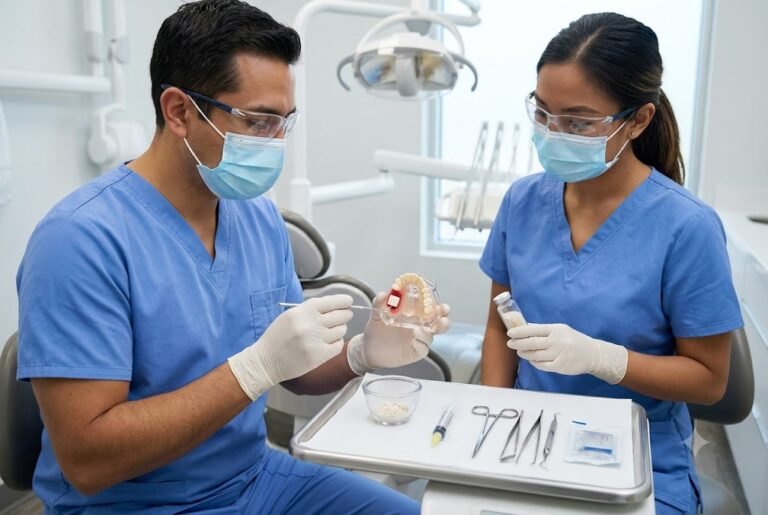
Bone grafting is not automatically needed for every patient considering restorative or implant-related dental treatment. It may be recommended when the jawbone in a particular area has lost volume or does not provide enough support for the planned treatment. The reason for bone loss can include tooth loss, previous infection, trauma, or natural changes that occur over time.
One of the common reasons for evaluating the bone is when a tooth has been missing for a while. After tooth loss, the bone that once supported the tooth can gradually change in shape and volume. Your dentist may assess the area to determine whether there is enough bone for the planned restoration or whether additional support should be considered first.
A detailed examination can help your dentist understand the condition of the site before treatment is planned. Dental imaging may be used to assess the amount and shape of available bone and to evaluate nearby structures. This information can be important when planning tooth-replacement treatment, including options such as dental implants and bridges in Edmonton.
The timing of bone grafting can vary depending on the condition of the area and the treatment being planned. Some patients may need time for the grafted area to heal before moving on to the next stage, while others may have a different treatment sequence based on their individual circumstances. Your dentist can explain what approach is appropriate for you.
Bone grafting may be considered when the jawbone in a particular area has changed or lost volume and additional support is needed for planned dental treatment. The procedure is not necessary for everyone, so your dentist will first assess the condition of the site and determine whether rebuilding the bone would be beneficial for your treatment plan.
When a tooth has been missing for some time, the surrounding bone can gradually become thinner or change shape. A bone graft may help add volume to an area where more bone support is needed before certain restorative procedures can be considered.
Bone changes can occur after tooth loss, trauma, or certain dental infections. Your dentist can evaluate the affected area and determine whether the bone has changed enough to affect future treatment. The goal of grafting is to improve the foundation in the area where additional support is needed.
Dental implants rely on adequate bone support to remain stable. When the available bone is insufficient, grafting may be discussed as part of the treatment plan. Patients comparing tooth-replacement options can also explore dental implants vs. dentures in Edmonton to better understand how different approaches may work depending on their individual situation.
Understanding the condition of the jawbone before treatment can help your dental team plan the next steps more accurately. Imaging and clinical evaluation can show where bone is available and whether grafting should be considered before another procedure.
If bone loss has been identified or you are being evaluated for tooth replacement, a dental assessment can help determine whether bone grafting is appropriate for your situation.
When changes in the jawbone affect your planned dental care, understanding your options can make the treatment process easier to navigate. Far East Dental Centre can assess the condition of the area, explain whether bone grafting may be beneficial, and help you understand how the procedure may fit into your overall treatment plan.
Considering bone grafting because of bone loss or planned tooth replacement? Contact Far East Dental Centre to discuss your dental needs and arrange a consultation in Edmonton.
Bone grafting may be recommended when the jawbone does not have enough volume or strength to support a planned dental procedure. The purpose is not simply to add bone, but to improve the foundation in a specific area so your dentist can plan future treatment with a better understanding of the available support.
When a tooth has been missing for an extended period, the bone that once supported it can gradually decrease in volume. A graft may help rebuild the affected area when additional bone is needed for future restorative treatment.
Adequate bone is an important consideration when planning an implant. If the existing bone is too thin or has changed significantly, bone grafting may be discussed before implant placement. Understanding the condition of the jawbone can help your dentist determine whether additional support is needed before implant treatment begins.
Bone loss can occur for several reasons, including tooth loss, previous infection, trauma, or changes in the jaw over time. Your dentist can evaluate the affected site and determine whether rebuilding the area would improve the conditions needed for planned treatment.
When the bone around a missing or compromised tooth has changed, the condition of the site can influence which restorative options are practical. Bone grafting may form one part of a broader treatment plan designed around the condition of your jaw and your long-term dental goals.
Before recommending a bone graft, your dentist can assess the area clinically and use appropriate imaging when needed. This helps determine how much bone is present, where additional support may be required, and how the grafting procedure fits into the rest of your treatment plan.
The need for bone grafting varies from patient to patient. A detailed assessment can help you understand whether rebuilding the bone would be useful for your planned dental care and what the next stage of treatment may involve.
Bone grafting is a dental procedure used to add bone material to an area where the jawbone has lost volume or does not provide enough support for planned treatment. Your dentist can assess the area and determine whether grafting is appropriate for your individual needs.
A bone graft may be recommended when there is not enough bone to support certain dental treatments, particularly dental implants. Bone loss can occur after tooth loss, infection, trauma, or gradual changes in the jaw over time.
No. The need for grafting depends on the amount and quality of bone available at the treatment site. Your dentist may use an examination and appropriate imaging to determine whether there is sufficient bone for implant placement or whether additional support is needed.
The exact procedure depends on the location and amount of bone that needs to be rebuilt. Your dentist will place suitable grafting material in the affected area and provide instructions for caring for the site while it heals. The treatment plan is customized according to your dental needs.
Healing time varies depending on the size and location of the graft, your overall oral health, and the treatment being planned afterward. Your dentist can explain the expected healing period and when the area may be ready for the next stage of treatment.
Local anaesthetic is typically used during the procedure to keep the treatment area comfortable. Some soreness, swelling, or tenderness can occur afterward as the area heals. Your dental team will provide aftercare instructions to help you manage the recovery period.
In some situations, bone grafting may still be considered even when a tooth has been missing for an extended period. The amount of bone available and the condition of the treatment site will determine whether grafting is appropriate and what type of approach may be needed.
Your dentist can evaluate the treatment area, review your dental history, and use appropriate imaging when necessary to assess the available bone. Based on these findings, they can explain whether grafting would provide useful support for your planned dental treatment and discuss the available options with you.
Bone loss can affect the options available for replacing missing teeth or completing other restorative procedures. Far East Dental Centre can assess the condition of your jawbone, explain whether bone grafting may be appropriate, and help you understand how the procedure may fit into your overall treatment plan.
Considering bone grafting or concerned about bone loss affecting your dental treatment? Contact Far East Dental Centre to discuss your needs and arrange a consultation in Edmonton.
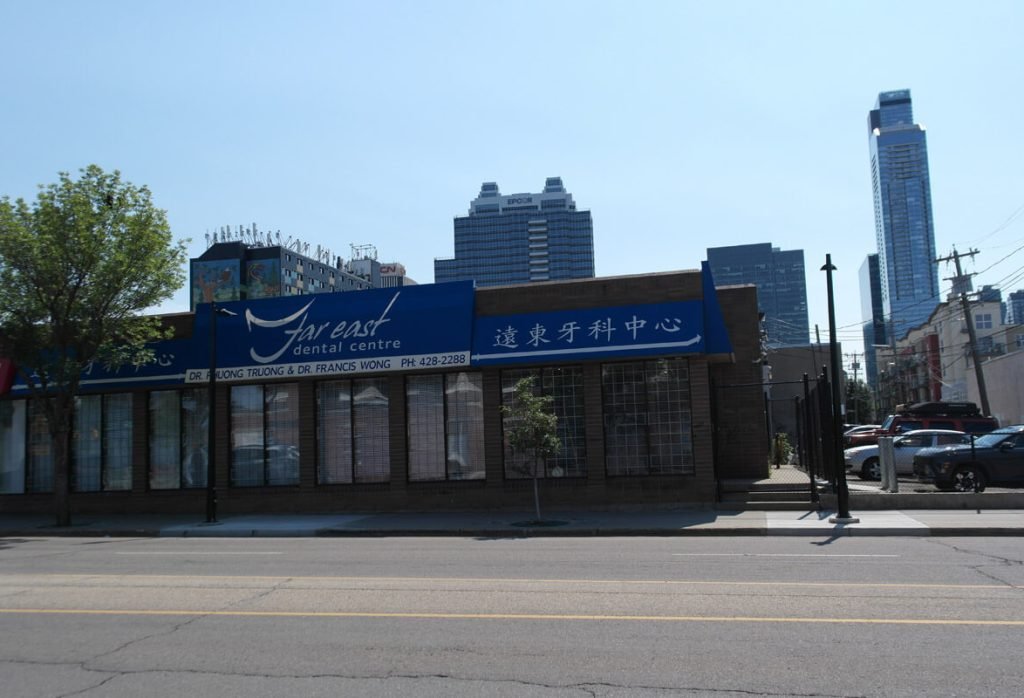
Far East Dental Centre offers bone grafting care for patients in Edmonton and nearby communities who may need additional bone support as part of their dental treatment. Bone loss can occur following tooth loss or from certain oral health conditions, and grafting may help rebuild the area when appropriate. Our dental team can evaluate your oral structures, explain why bone grafting may be recommended, and help you understand the treatment process based on your individual needs.
If you have been advised to consider bone grafting near Edmonton or want to learn whether this treatment may be suitable for you, contact Far East Dental Centre to discuss your treatment needs with our team.

Your trusted provider for General, Restorative, Cosmetic, Family, and Emergency Dentistry, as well as Dental Surgery.
© 2026 Far East Dental – Precision in Dentistry, Precision in Design — Webital Technologies & Signages
